Buyer Inspection: Your Shield Against Insurance Cancellation
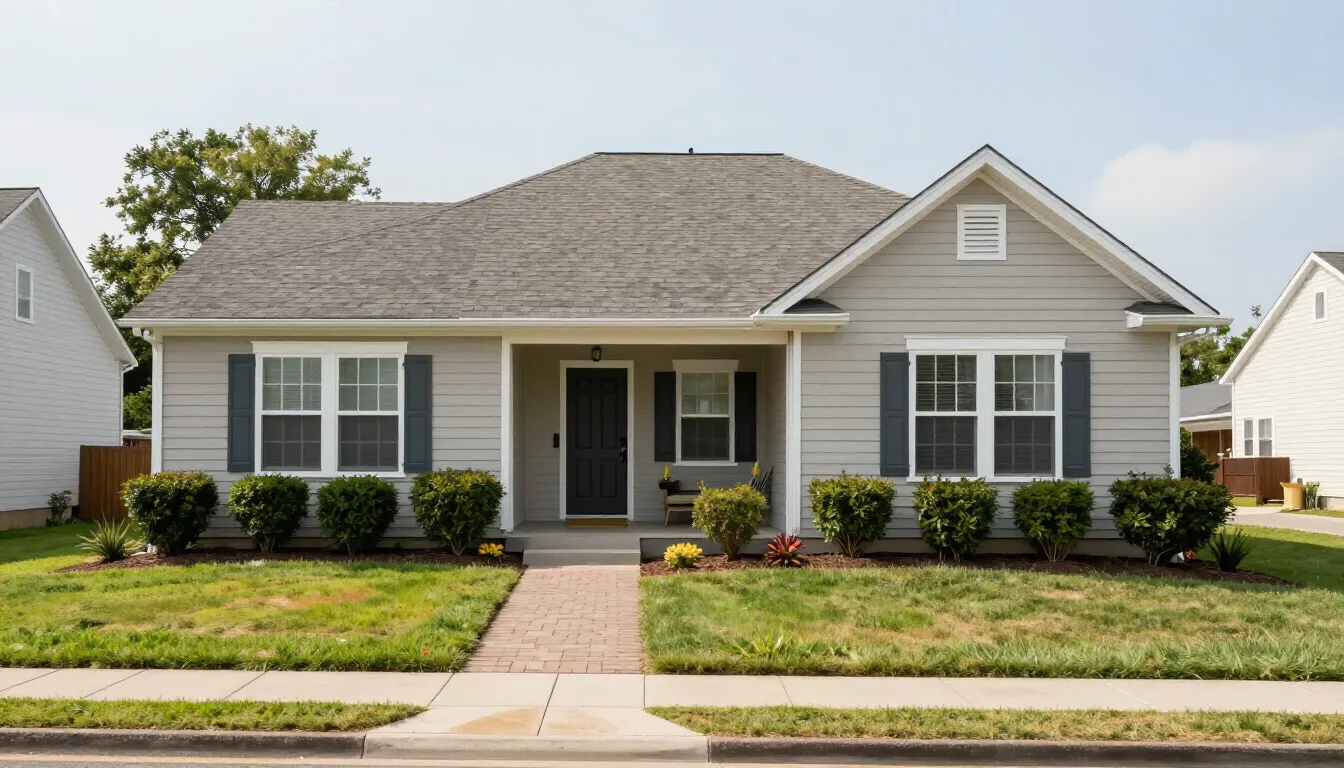
A thorough buyer inspection can catch the exact issues that cause insurers to cancel new homeowner policies weeks after closing. That single fact should change how every Carson City buyer approaches their next purchase.
Nevada regulators recently flagged a troubling pattern. Insurance companies have been canceling freshly issued policies within the first 70 days of coverage. This often happens after their own late-stage inspections turn up problems the buyer never knew existed. That timeline lines up almost perfectly with when most new homeowners are still unpacking boxes.
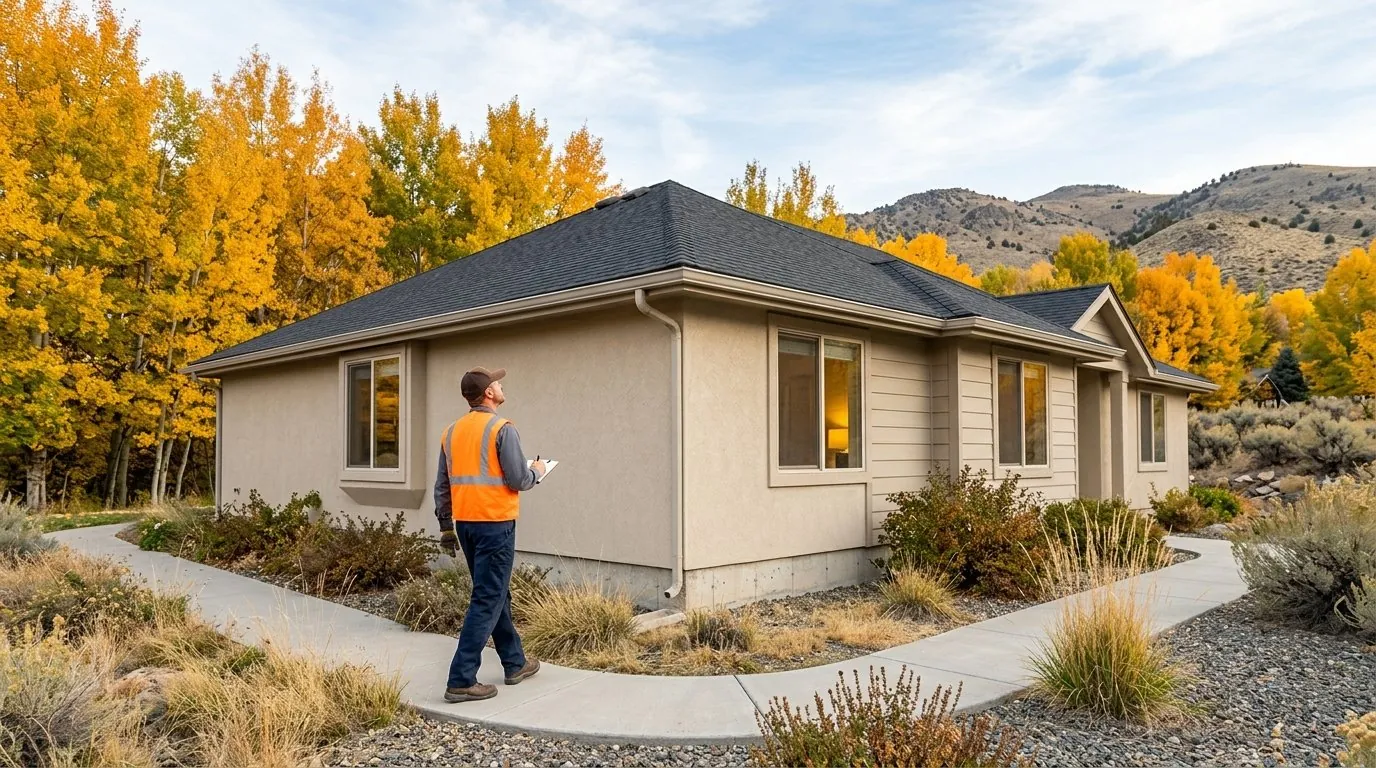
Why Insurers Are Pulling Coverage So Fast
Insurance companies don't want surprises after they've already accepted the risk. So many now schedule their own inspections shortly after a policy binds, and if they find something concerning, they cancel rather than absorb the liability.
The most common red flags include:
- Aging roofs nearing the end of their service life
- Outdated or ungrounded electrical wiring
- Poor drainage or grading around the foundation
- Deferred maintenance that suggests bigger problems underneath
None of these issues are hidden from a trained eye. They're simply overlooked by buyers who trust a quick walkthrough over a detailed evaluation.
The High-Desert Factor Insurers Care About
Carson City and the surrounding valley aren't like milder climates where insurers rarely worry about winter stress. This region deals with genuine freeze-thaw cycles, heavy snow loads, and expansive clay soils that push hard on foundations and plumbing every year. Insurers know this, and it shapes what their post-closing inspectors look for.
Heating systems get particular scrutiny here too. A furnace on its last legs might be invisible behind a freshly painted wall. But it's exactly the kind of failure point insurers flag once the weather turns cold. With October bringing the season's first real chill to the valley, a functioning, well-maintained heating system isn't optional. It's the difference between a comfortable winter and an expensive emergency call.
What a Buyer Inspection Actually Uncovers
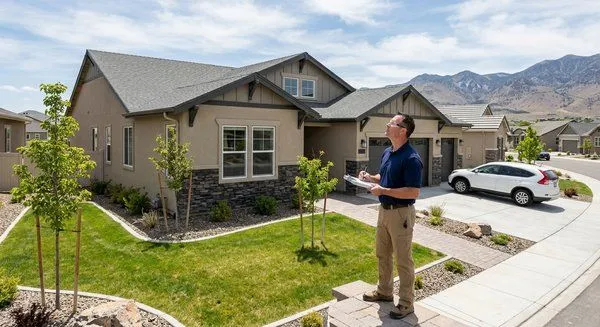
A professional buyer inspection goes far beyond what a typical showing reveals. It's a structured, room-by-room, system-by-system evaluation designed to expose exactly what an insurer's inspector would later find, except you get to see it first.
During a buyer inspection, an inspector typically evaluates:
- Roofing material, flashing, and overall remaining lifespan
- Electrical panels, wiring age, and grounding
- Foundation condition, including early hairline cracking
- Drainage patterns and grading around the structure
- Heating and cooling system performance and age
Catching these details before you close gives you leverage. You can negotiate repair credits, request a price adjustment, or simply walk in with realistic expectations about upcoming maintenance.
Turning Inspection Findings Into Negotiating Power
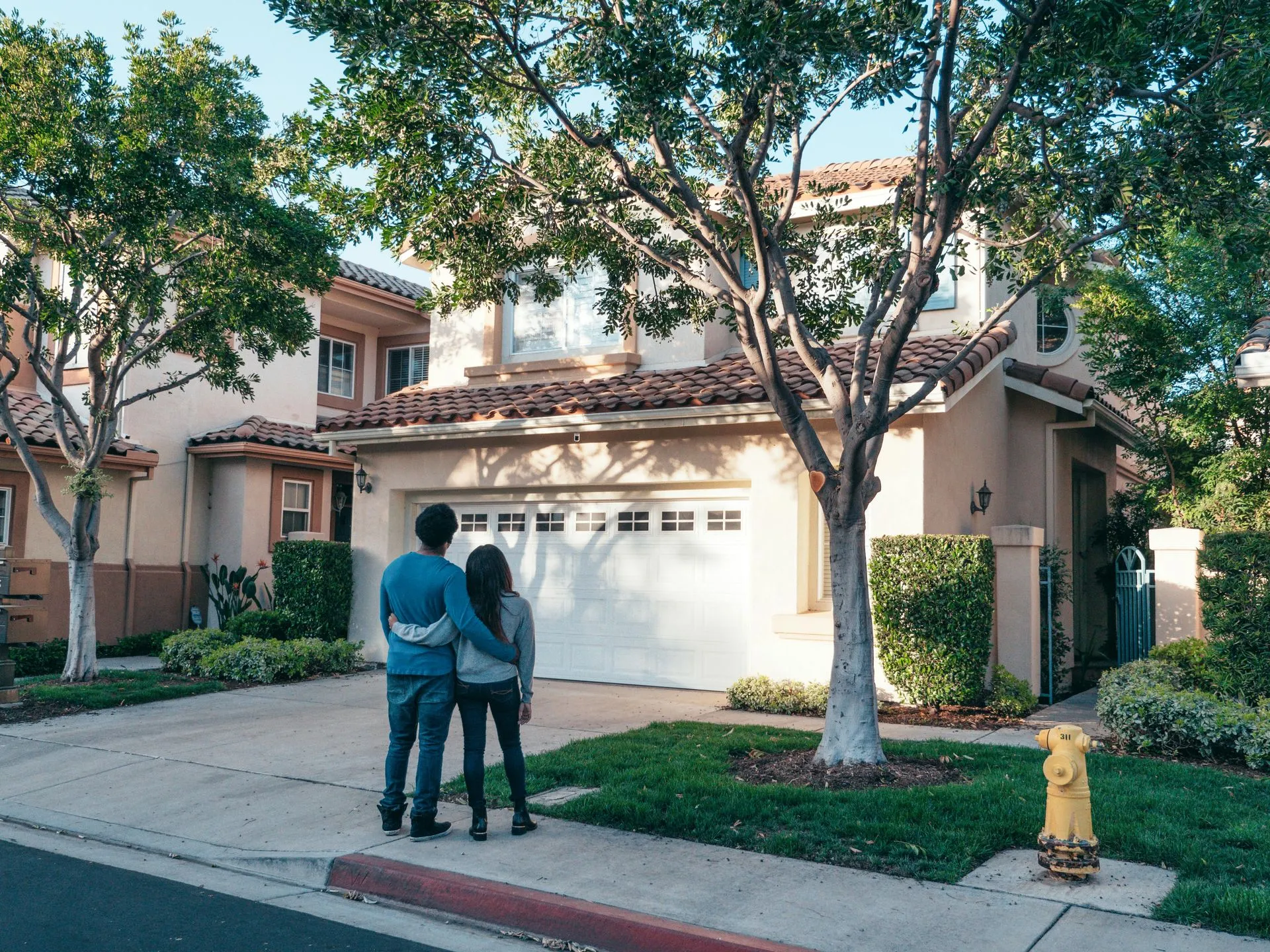
Carson City's market has created an unusual dynamic where asking prices and final sale prices often don't match. Median asking prices frequently climb past $600,000, while actual closed sales tend to land between $482,000 and $510,000. That gap explains why a large share of active listings, close to 39% to 40%, end up with a price cut before finding a buyer.
A detailed inspection report gives you the documented evidence to justify a lower offer or request repairs. Sellers are far more likely to negotiate when they're looking at a specific list of findings rather than a vague concern. It also means you're not gambling on whether an insurer will find the same issues later and cancel your policy.
Buyers working with On Point Inspections LLC get a clear, documented picture of a property's condition long before any insurance company gets involved. That timing matters more than most buyers realize until it's too late.
Making the Inspection Count
Not every inspection is created equal, and the details matter. Ask your inspector to pay close attention to the systems insurers scrutinize most: roofing, electrical, plumbing, and heating.
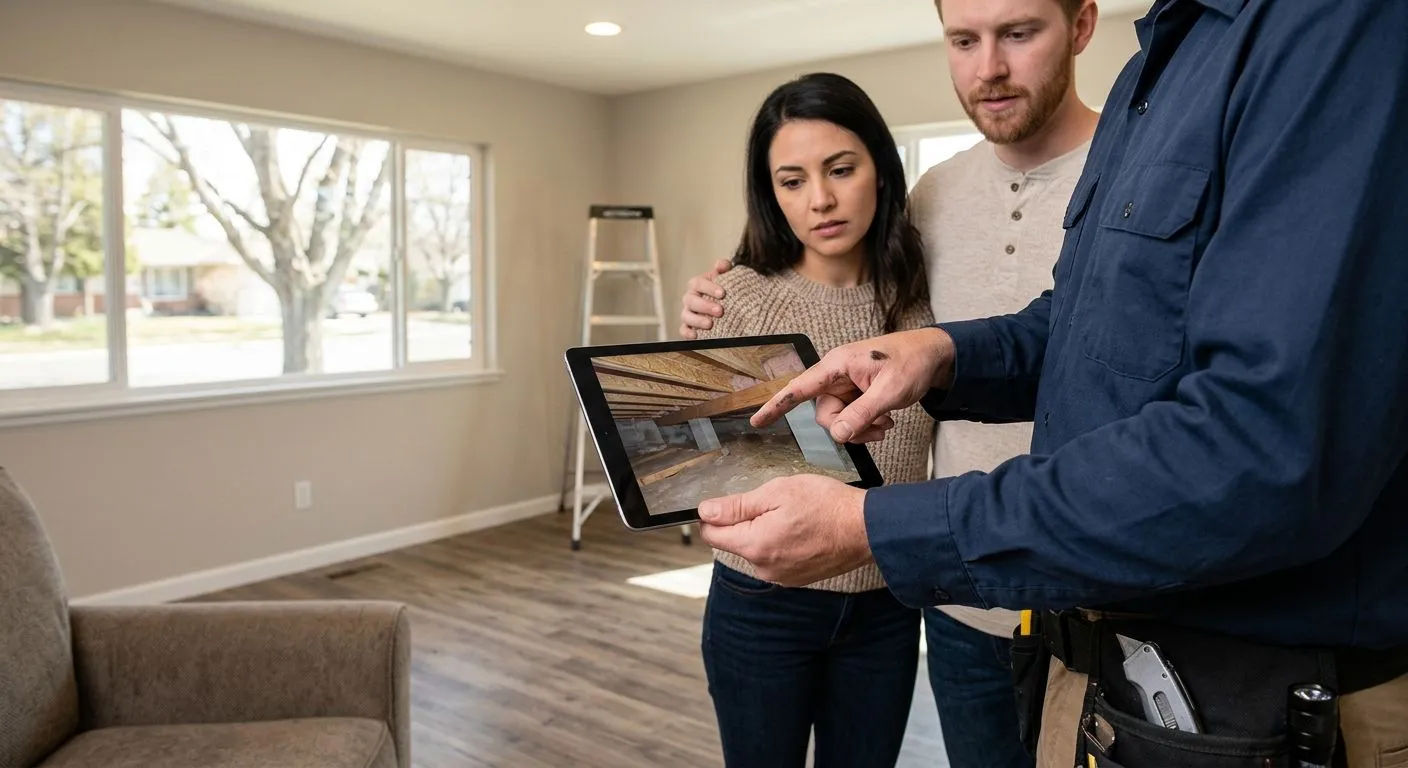
Clients often mention how much it helps to walk through the property alongside their inspector, asking questions in real time. That kind of direct, plain-language explanation turns a technical report into something you can actually use during negotiations.
Before you sign anything, schedule a buyer inspection that digs past cosmetic finishes and into the systems that actually determine whether your coverage will hold.
Frequently Asked Questions
How soon after an offer should I schedule a buyer inspection?
Schedule it as soon as your offer is accepted, ideally within your contract's inspection contingency window, so you have time to negotiate before closing.
Can a buyer inspection really prevent an insurance cancellation?
It can significantly reduce the risk. Insurers watch closely for the same red flags. These include roofing age, electrical wiring, and drainage issues. Identify and address them early, and you're less likely to face a surprise cancellation after your policy binds.
What if the inspection finds a major issue after I've already made an offer?
Most purchase agreements allow you to renegotiate, request repairs, or walk away during the inspection period. A detailed report gives you the documentation to support whichever path makes sense.
Does a buyer inspection cover heating and cooling systems?
Yes. Given the region's winter demands, heating system performance is one of the most closely evaluated components during a buyer inspection.
Are you preparing to make an offer on a property in Carson City, Gardnerville, Minden, Lake Tahoe, or Reno? Don't leave your insurance coverage up to chance. Reach out today to schedule a buyer inspection and close with confidence.