Top 10 Hidden Issues a Home Inspection Can Reveal
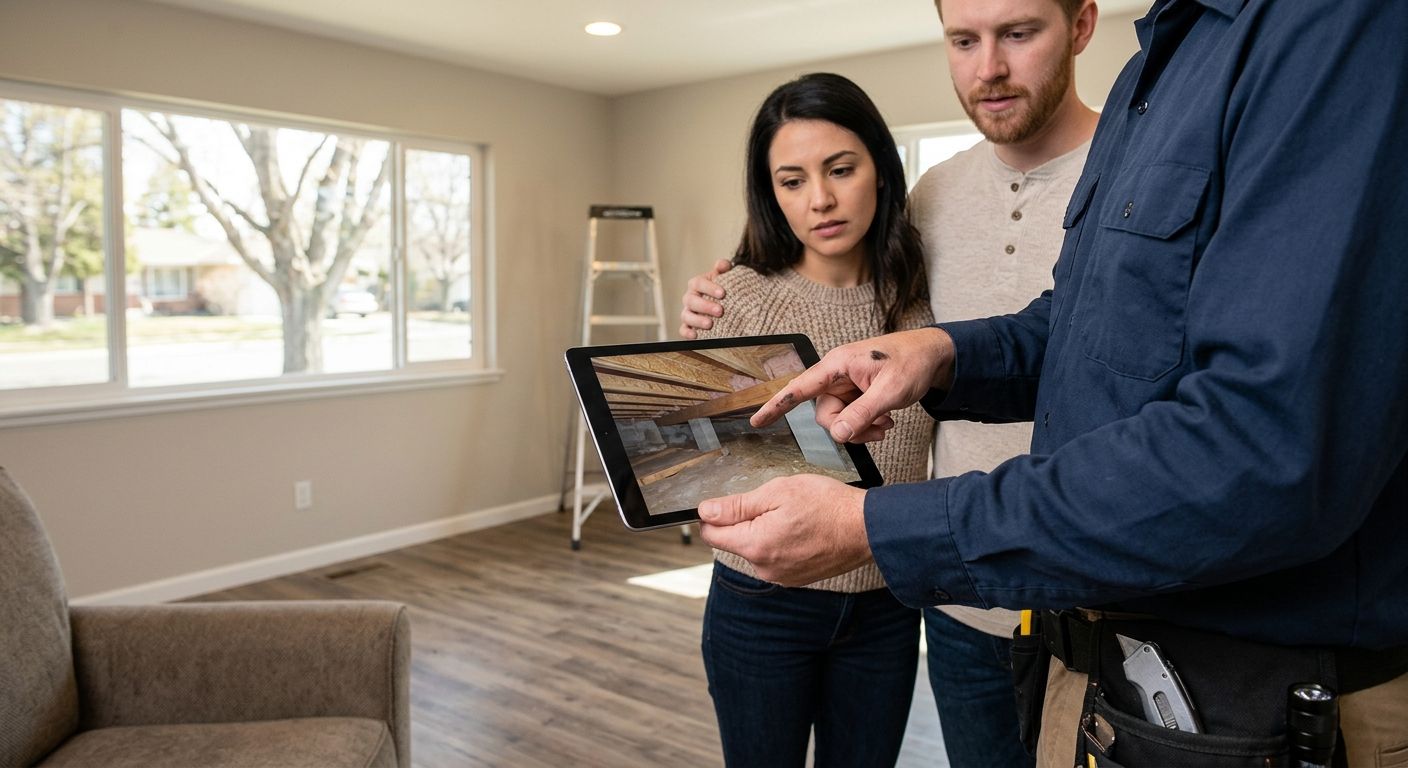
Buying or maintaining a home often feels like being the main character in a mystery movie. You walk through the house, admire the fresh paint, the shiny flooring, the cozy layout, and think everything looks perfect. But behind the walls and under the floors, there can be surprises that only a professional home inspection can uncover. Whether you are preparing to buy, getting ready to sell, or simply staying on top of home inspection for maintenance, learning about the most common hidden problems can save you serious money and stress.
Below, we dive into the top ten issues your inspector may find, why they matter, and how catching them early can make homeownership much smoother.
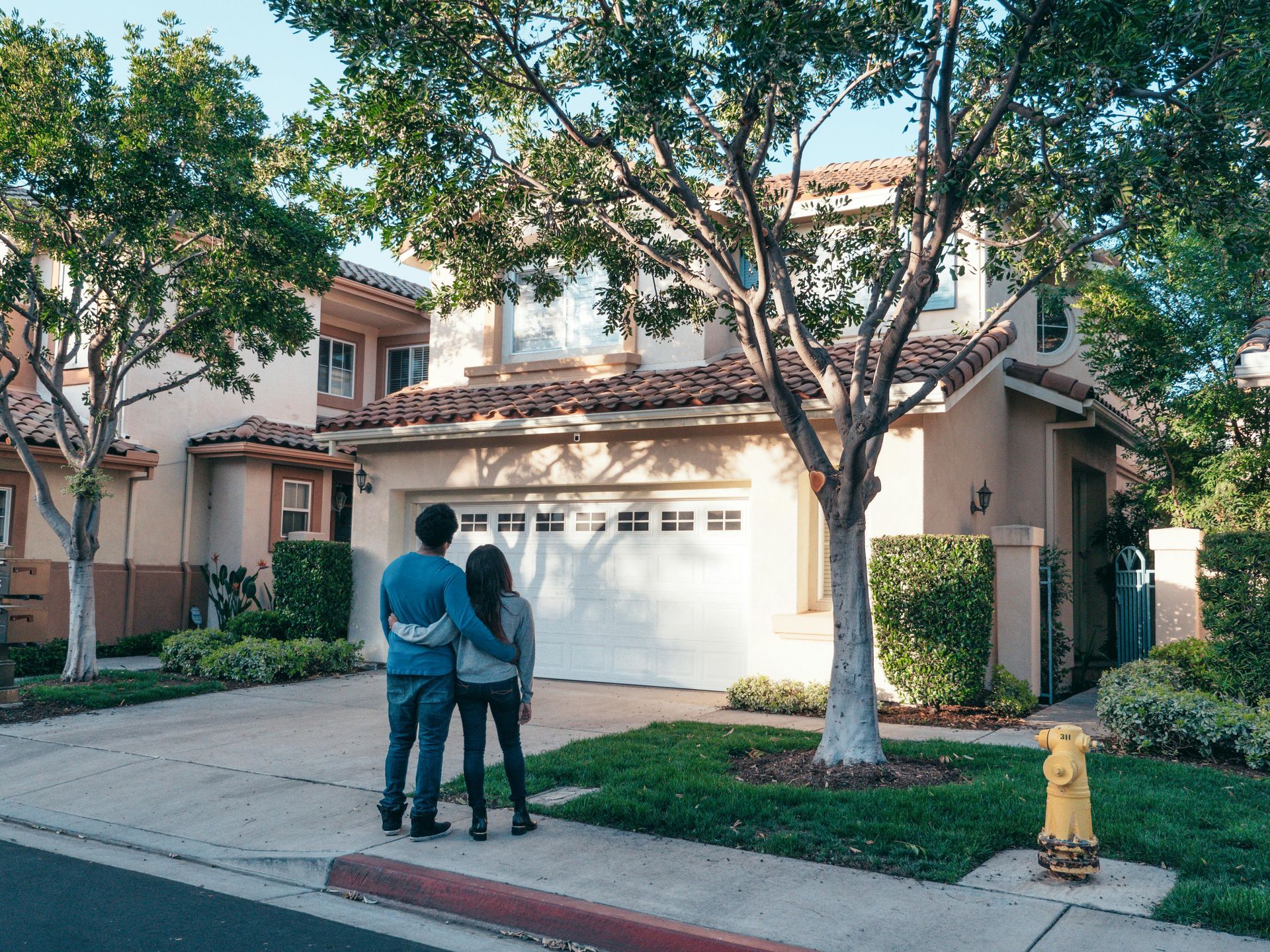
1. Foundation Problems That Can Cost You Thousands Later
One of the biggest hidden concerns in any home is the condition of the foundation. Even small issues can turn into major structural nightmares if ignored. A professional home inspection helps identify problems early, sometimes before you even notice them as a homeowner.
Foundation issues are especially sneaky because they start small. You might see a faint crack or think a slightly sloping floor is no big deal. But what feels like a cosmetic flaw can be a sign of soil shifting, water intrusion, or structural damage that requires correction.
What your home inspector may uncover:
- Cracks in the walls or floors: These often indicate that the foundation is settling or shifting.
- Uneven floors: If you feel like you are walking downhill in your living room, something is not right.
- Doors that do not close properly: If the foundation moves, the frame becomes misaligned.
Finding these issues early through a
home inspection for maintenance can keep you from dealing with costly repairs and structural risks down the line.
2. Roof Damage You Cannot See From the Ground
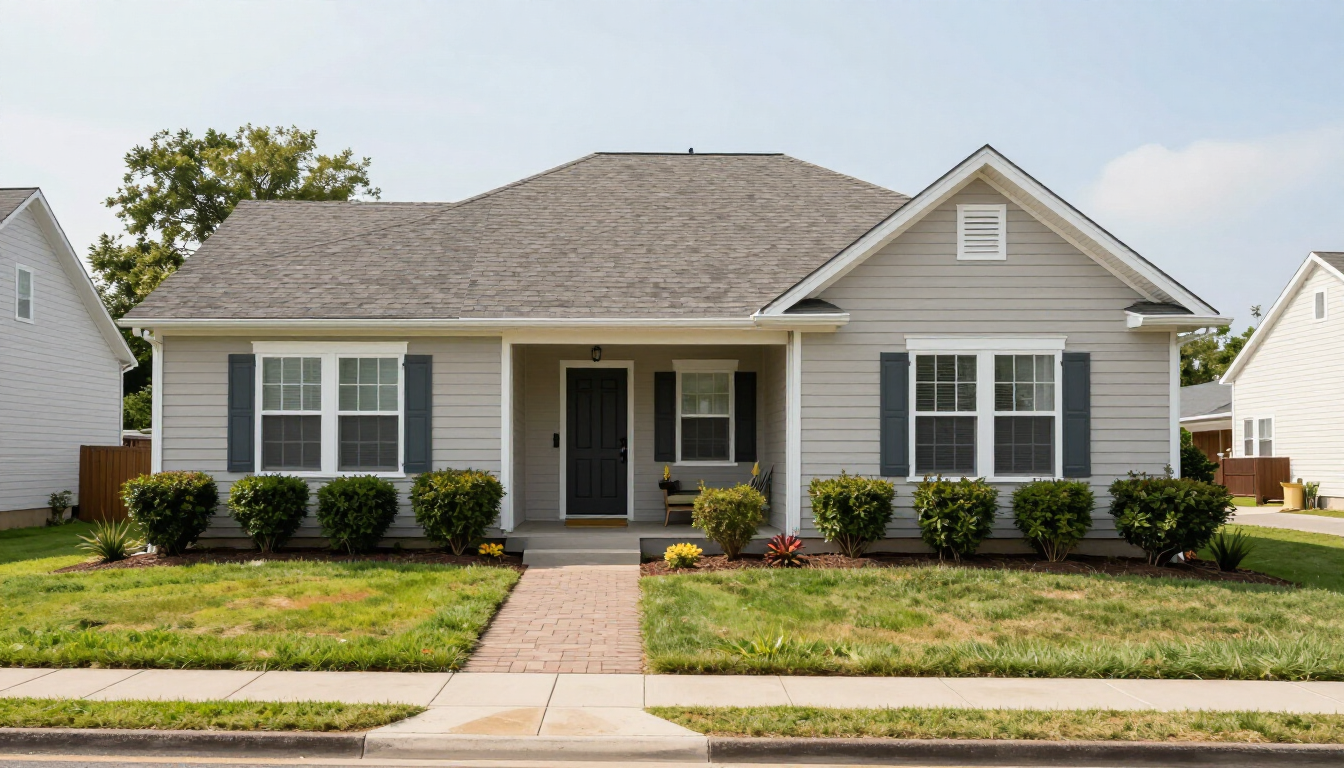
A roof may look perfectly fine from your driveway, but that does not mean it is problem free. Weather changes, aging shingles, and poor past repairs can create issues that only a trained inspector can identify.
Roofs are one of the most common areas where hidden problems appear. This is because homeowners rarely climb up there to take a look. A home inspector checks the roof’s condition, assesses the materials, and looks for hidden signs of trouble.
Potential hidden issues:
- Damaged or curling shingles: These allow water to seep underneath.
- Soft or spongy spots: This can be a sign of rot.
- Missing flashing or poor sealing: These gaps allow water intrusion and cause long term damage.
Roof repairs can be expensive, but early detection can help you avoid complete replacement.
3. Hidden Electrical Hazards That Pose Safety Risks
Electrical issues are among the most dangerous hidden problems in any home. You cannot always see electrical trouble, but the symptoms show up in flickering lights, warm outlets, or breakers that trip regularly.
A home inspector checks for safety issues that could cause fires or equipment failures. Electrical concerns often come from outdated wiring, amateur DIY repairs, or old panels that can no longer support the home’s load.
Common electrical problems found during inspections:
- Old, outdated wiring: These can be fire hazards.
- Improperly grounded outlets: A shock hazard many homeowners never notice.
- Overloaded electrical panels: These can overheat and cause system failure.
Electrical safety is not the place to guess or hope for the best. A home inspection helps ensure the system is safe and up to modern standards.
4. Plumbing Leaks You Did Not Know Existed
Plumbing issues often hide behind walls or under sinks where homeowners rarely look. Leaks may start small but can lead to mold, rot, and water damage that requires major repairs.
During a home inspection, your inspector checks for signs of leaks, faulty pipes, water pressure problems, and hidden water damage.
Examples of hidden plumbing issues:
- Slow leaks under sinks: These often cause damage long before they are noticed.
- Corroded pipes: This causes discoloration in water and eventual failure.
- Drainage problems: Slow drains can signal blockages deeper in the system.
A plumbing problem caught early is always cheaper than one discovered too late.
5. HVAC Problems That Reduce Efficiency and Comfort
Your heating and cooling system might be running, but that does not mean it is in great shape. HVAC issues often hide behind panels and vents and may not appear until something breaks completely.
A home inspector checks the condition of the HVAC components and ensures everything is operating safely and efficiently.
Possible hidden HVAC issues:
- Dirty coils and filters: These reduce efficiency and strain the system.
- Poor airflow: Caused by blockages or duct problems.
- Aging components: Older systems often need repair or replacement.
Catching problems early can keep energy bills down and prevent sudden breakdowns.
6. Moisture and Mold That Can Affect Your Health
Moisture is one of the biggest threats to a home. It causes rot, mold growth, structural damage, and can affect indoor air quality. A professional home inspection for maintenance looks for hidden moisture behind walls, under flooring, or around windows.
Possible moisture related issues include:
- Mold growth in hidden areas: Often caused by leaks or poor ventilation.
- High humidity: This creates ideal conditions for mold.
- Rotting wood: A sign that moisture has been a long term problem.
Ignoring moisture can lead to expensive repairs and potential health problems.
7. Pest Damage You Never Saw Coming
Termites, rodents, and insects do not exactly knock on the door and announce their arrival. They sneak in, hide in small spaces, and cause damage quietly. A home inspector checks for signs of pests that may be hidden from everyday view.
Common findings include:
- Termite damage: They hollow out beams and cause structural weakness.
- Rodent droppings: These signal contamination and possible wiring damage.
- Entry points in the attic or basement: Even tiny gaps can invite pests inside.
Early detection helps prevent infestations that can get out of control fast.
8. Poor Ventilation That Affects Air Quality
Ventilation may not be something you think about often, but it impacts comfort, air quality, and energy efficiency. Without proper airflow, moisture collects, odors linger, and heating or cooling systems strain to keep up.
A home inspector checks attic ventilation, basement airflow, and other systems to ensure the home is breathing properly.
9. Defective Appliances That Can Become Safety Hazards
Not all appliances last forever, and some issues are not obvious. Inspectors often find problems with water heaters, ovens, dishwashers, and other built-in systems.
This can save homeowners from safety hazards or expensive replacements later.
10. Drainage Problems That Can Damage the Entire Property
Poor drainage leads to foundation problems, soil erosion, basement leaks, and mold growth. It is one of the most hidden yet most damaging issues.
Inspectors look at grading, gutter systems, and drainage paths to identify risks.
Schedule Your Expert Home Inspection in Carson City Today
At On Point Inspections, LLC, we provide thorough home inspections throughout Carson City, NV and the surrounding areas to help you catch issues early and protect your investment. Whether you need a home inspection for maintenance, a buyer inspection, or a pre-sale inspection, our team delivers detailed reports and friendly service that helps you understand the condition of your property with confidence.
We also offer
new home inspections,
small commercial inspections, and
warranty inspections to cover every stage of property ownership. Call us today at
(775) 781-7536 to schedule your appointment with a trusted local inspection professional.
FAQs
What does a full home inspection include?
A standard home inspection covers the foundation, roof, HVAC, electrical, plumbing, attic, appliances, and overall structure.
How long does a home inspection take?
Most inspections take between two and four hours depending on the size of the home.
Should I get a home inspection even if the house looks fine?
Absolutely. Many issues are hidden and cannot be seen during a regular walkthrough.
How often should I get a home inspection for maintenance?
Most experts recommend an inspection every two to three years to catch issues early.
Are home inspections required when selling a home?
They are not legally required, but many sellers choose a pre-sale inspection to avoid surprises during negotiation.